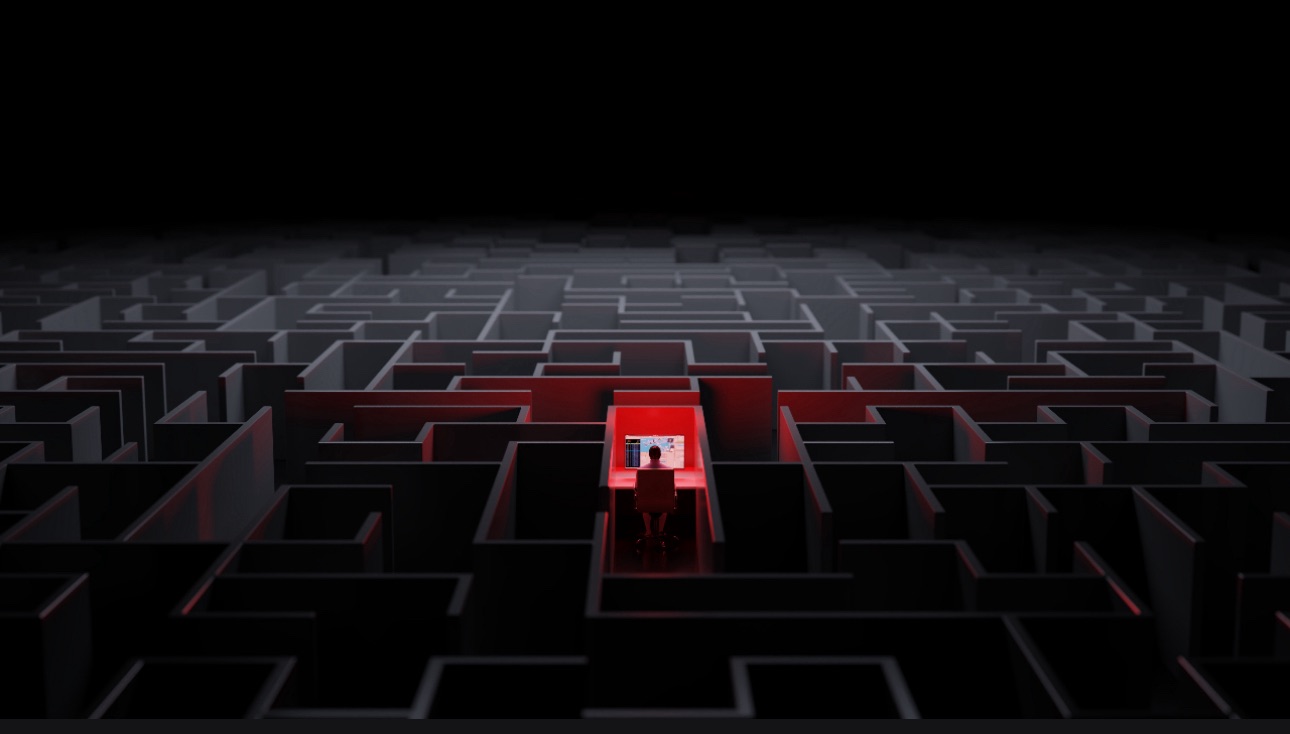

There was a time when asking someone for two uninterrupted minutes of attention was a modest request. Today, it borders on hostage-taking.
The evidence is not merely anecdotal. Human attention has not wandered off for a cigarette and promised to return. It has collapsed in broad daylight while we all watched.
The average person now grants a piece of content roughly 8 seconds before rendering judgment. Teenagers switch between applications every 44 seconds. Less than half of viewers survive the first minute of a video, regardless of its length. Only a small fraction remain standing by the final ten seconds. The first thirty seconds are not an introduction anymore; they are a battlefield littered with casualties.
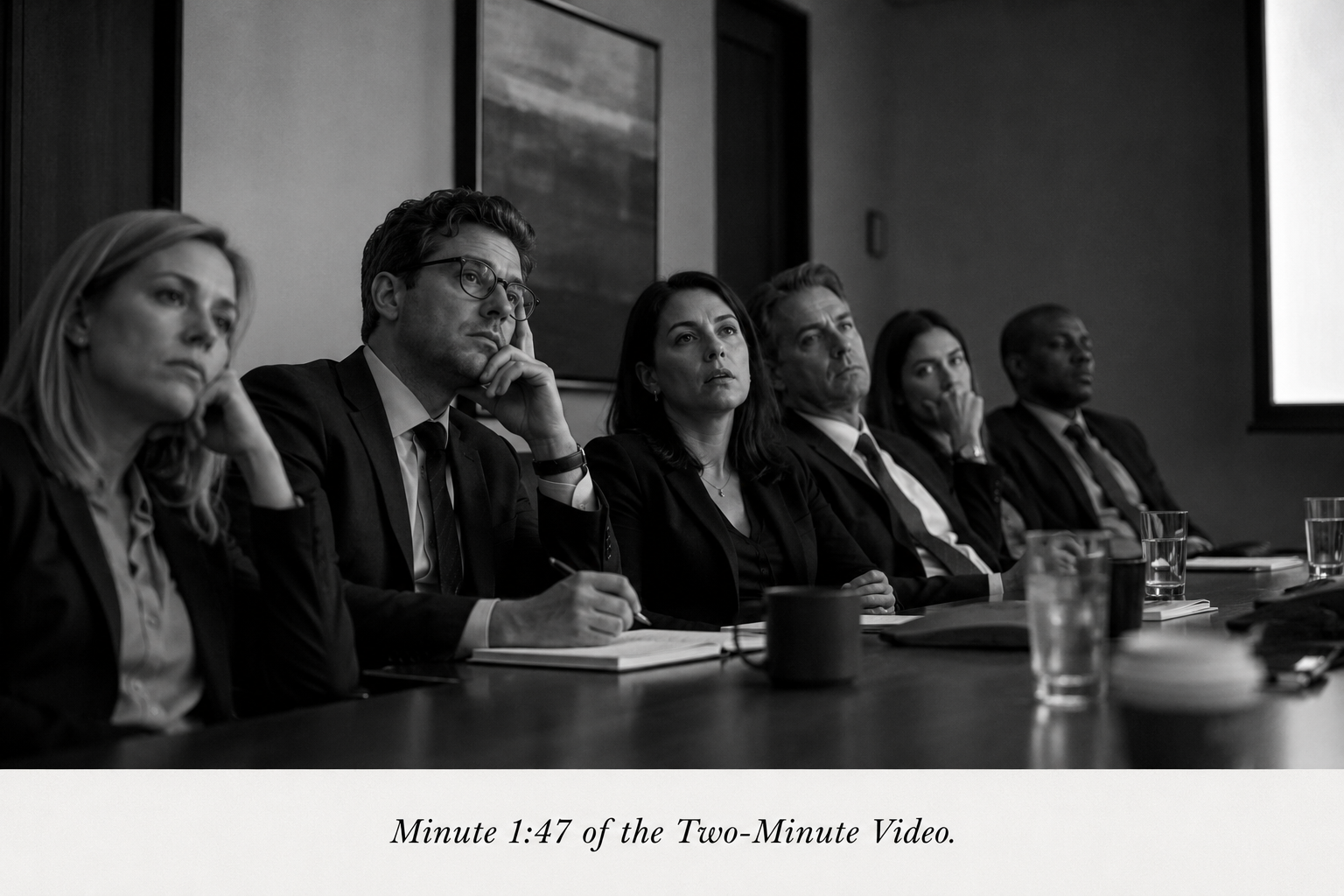
Yet every week, somewhere in a conference room with poor coffee and an abundance of PowerPoint slides, someone proposes a two-minute B2B video.
This is usually justified by invoking seriousness.
“It’s business-to-business.”
“It needs more detail.”
“We have a lot to say.”
No, it doesn’t.
What it has is a lot of things that nobody was willing to cut.
The notion that professionals suddenly transform into patient scholars when seated at a laptop on a Tuesday afternoon is one of the more charming delusions of modern marketing. The procurement manager watching your video is the same human being who spent the weekend scrolling through TikTok at six-second intervals. The brain does not enter a special “corporate patience mode” simply because the viewer’s badge works at an enterprise software company.
The numbers are merciless. Viewers decide within seconds whether something deserves their attention. Slow openings lose a majority of the audience almost immediately. Average retention rates across video platforms are, frankly, horrific. Long-form consumption continues its slow decline while multitasking rises and content exposure explodes.
In other words, the audience has spoken. Repeatedly. Loudly.
What remains fascinating is the industry’s refusal to listen.
There is, of course, one notable exception. People will watch long-form content from creators they trust. Devoted audiences routinely spend hours with their favorite podcasters, commentators, and personalities.
The operative word is earned.
A beloved creator can ask for two hours because they have spent years earning that privilege. A corporate brand unveiling its latest fleet management solution has not.
Confusing the two is like mistaking a first date for a golden anniversary.
The deeper issue, however, is not effectiveness. It is respect.
Every unnecessary second in a video represents a small act of arrogance. It assumes the audience’s time is less valuable than the creator’s desire to explain. It suggests a lack of confidence in the message itself. The longer the video becomes, the more it begins to feel like a negotiation with uncertainty.
Brevity is not the enemy of intelligence.
Brevity is evidence of it.
A concise video communicates something powerful: we know what matters, we know what doesn’t, and we trust you to understand the difference.
Nobody remembers the two-minute explainer.
They remember the thirty-second piece that made them feel something, understand something, or see something differently.
The purpose of communication is not to exhaust a subject. It is to illuminate it.
Everything after that is often just vanity wearing a lanyard.